
Understanding DMEK: The Gold Standard in Corneal Transplantation
Considering treatment? Speak directly with Miss Menassa.
Corneal transplantation has come a long way since the first successful procedure over a century ago. Today, for conditions affecting the cornea's inner layer, DMEK (Descemet Membrane Endothelial Keratoplasty) represents the pinnacle of surgical refinement.
The cornea has five layers, but for conditions like Fuchs' Endothelial Dystrophy, it's the innermost layer—the endothelium—that fails. These vital cells act as tiny pumps, constantly removing fluid from the cornea to keep it clear. When they deteriorate, the cornea becomes waterlogged and vision clouds.
Traditional full-thickness corneal transplants (penetrating keratoplasty) replaced the entire cornea—all five layers—even when only one layer was diseased. This worked, but came with significant drawbacks: lengthy visual recovery, high astigmatism from the required sutures, and substantial rejection risk.
DMEK revolutionised this field by replacing only what's necessary: the thin Descemet membrane and endothelial cells, measuring just 10-15 microns thick. The healthy 95% of your cornea remains untouched.
The benefits are remarkable. Visual recovery is much faster—many patients achieve driving vision within weeks. Final visual acuity is typically better than with older techniques. Rejection rates are lower because less foreign tissue is transplanted. And because no sutures are required, there's minimal change to your glasses prescription.
However, DMEK is technically demanding. The tissue is delicate and requires meticulous handling. The learning curve is steep, and not all corneal surgeons offer this procedure.
Miss Menassa trained in DMEK during her fellowship in Germany and Switzerland—countries that have led the world in developing and refining this technique. She brings this expertise to Liverpool, offering patients access to the most advanced corneal transplant surgery available.
If you have Fuchs' Dystrophy or another endothelial condition, DMEK may offer you the best chance of excellent visual recovery. We would be pleased to assess your suitability during a consultation.

Written by
Miss Menassa
Consultant Ophthalmologist & Cornea Specialist at Menassa Vision
Learn more about Miss MenassaHave Questions About This Topic?
Book a consultation with Miss Menassa to discuss your concerns and explore your options.
Understand your eyes, at your own pace
Occasional, plain-English guidance on cataract, corneal and lens conditions — written by Miss Menassa. No jargon, unsubscribe anytime.
Related Articles
Continue exploring our expert insights on eye health
Dense Cataracts: Why Complex Cases Need Specialist Surgery
Dense, mature, or white cataracts present unique surgical challenges that demand specialist expertise. Understanding why these cases differ from routine cataract surgery helps you make informed decisions about your care.
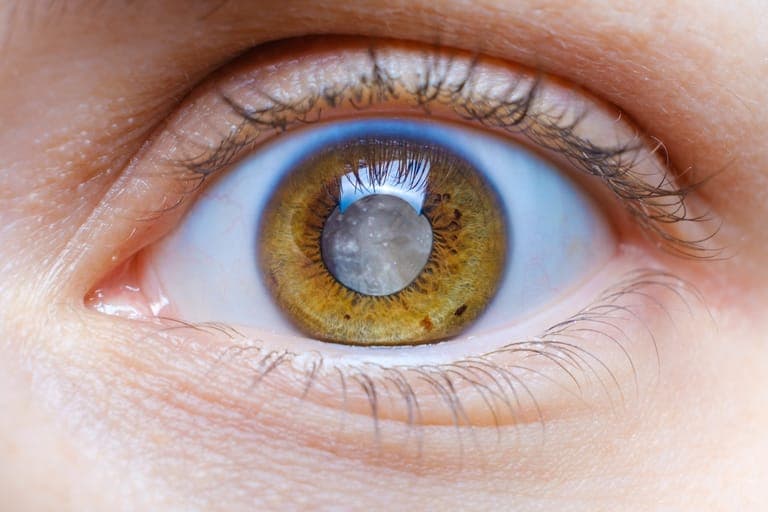
DSAEK Surgery: What It Is, Recovery, and Long-Term Results
DSAEK is a partial-thickness corneal transplant that replaces diseased endothelial cells while preserving most of your natural cornea. This guide covers the procedure, recovery timeline, and what results to expect.

The Role of Biometry in Achieving Precise Cataract Surgery Outcomes
The success of cataract surgery depends heavily on measurements taken before you enter the operating theatre. Modern biometry uses laser interferometry and AI-enhanced formulae to calculate lens power with remarkable accuracy.