DSAEK Surgery: What It Is, Recovery, and Long-Term Results
DSAEK is a partial-thickness corneal transplant that replaces diseased endothelial cells while preserving most of your natural cornea. This guide covers the procedure, recovery timeline, and what results to expect.
Considering treatment? Speak directly with Miss Menassa.
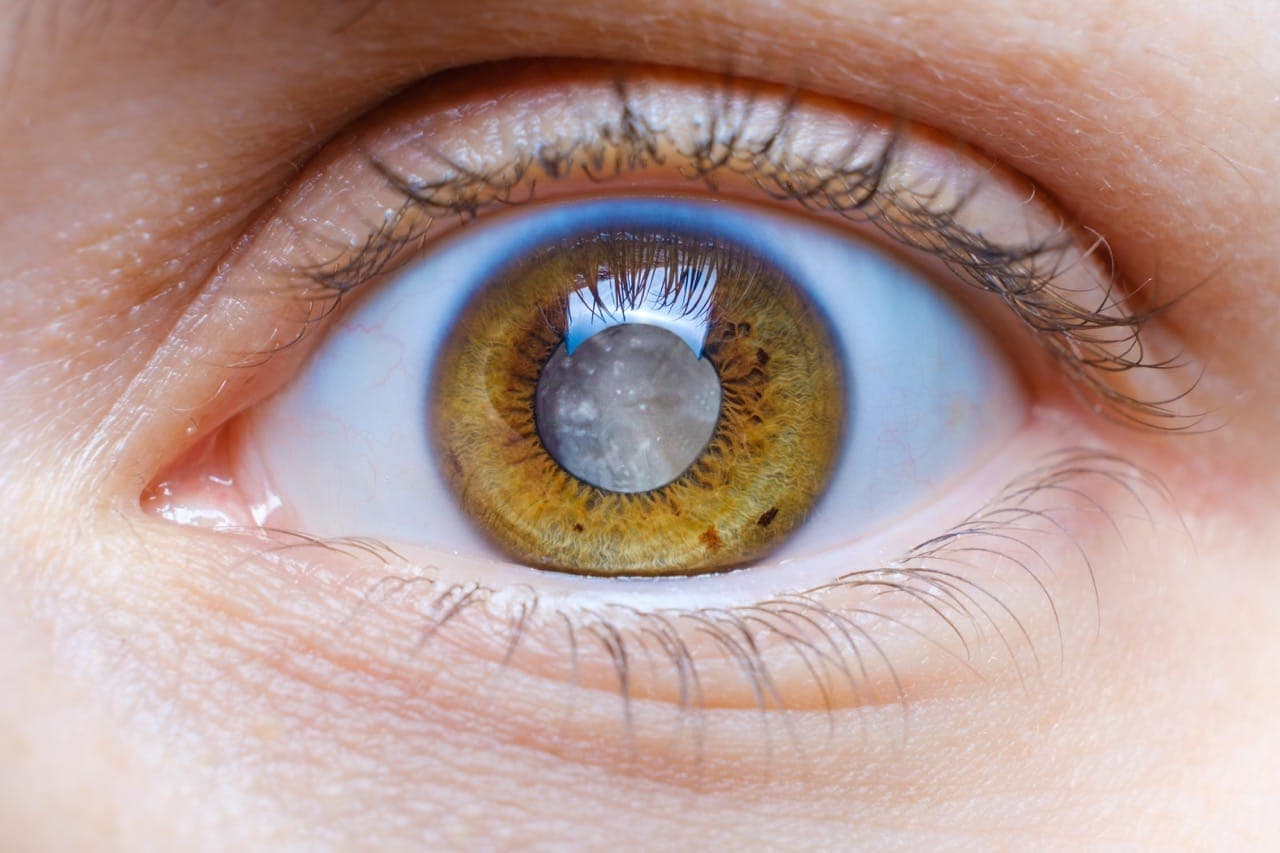
DSAEK — Descemet Stripping Automated Endothelial Keratoplasty — is a partial-thickness corneal transplant technique that has transformed the treatment of endothelial corneal disease. Unlike traditional full-thickness transplantation, which replaces the entire cornea, DSAEK selectively replaces only the diseased inner layers: the endothelium, Descemet's membrane, and a thin disc of posterior stroma. This targeted approach preserves the structural integrity of the patient's own cornea while restoring the critical pump function that maintains corneal clarity.
When Is DSAEK Surgery Recommended?
DSAEK is primarily indicated for conditions affecting the corneal endothelium — the innermost cell layer responsible for pumping fluid from the cornea to keep it clear. The most common indication is Fuchs' endothelial dystrophy, a progressive condition in which endothelial cells deteriorate and die, causing the cornea to become waterlogged and cloudy. DSAEK is also used for bullous keratopathy (corneal swelling following previous eye surgery), failed previous corneal grafts, and other causes of endothelial cell loss.
Miss Menassa may recommend DSAEK over the thinner DMEK technique in specific clinical situations: when the eye has complex anterior segment anatomy (such as previous glaucoma surgery with tubes or shunts), when an anterior chamber intraocular lens is present, or when anatomical factors make the ultra-thin DMEK tissue difficult to handle safely. In these cases, the thicker, more robust DSAEK tissue provides greater surgical predictability.
The DSAEK Procedure
DSAEK surgery is performed under local anaesthesia, typically taking 45 to 60 minutes. The surgeon first removes the patient's diseased endothelium and Descemet's membrane through a small incision. A pre-prepared disc of donor tissue — comprising healthy endothelial cells, Descemet's membrane, and approximately 100 to 150 microns of posterior stroma — is then folded, inserted through the incision, and positioned against the recipient's posterior cornea. An air bubble injected into the anterior chamber holds the graft in place while it naturally adheres over the following hours.
Recovery Timeline
The air bubble used to support the graft absorbs over the first few days. During this time, patients must maintain a face-up position to keep the bubble pressing against the graft. Vision is initially blurry but begins to improve as the new endothelial cells start pumping fluid from the cornea. Most patients notice meaningful visual improvement within two to four weeks, with continued refinement over the following months.
Visual recovery with DSAEK is somewhat slower than with DMEK — typically reaching its best level at three to six months rather than four to eight weeks. This is because the thicker donor tissue takes longer to integrate and because the stromal interface can temporarily scatter light. However, the final visual outcome is good, with most patients achieving 6/9 to 6/12 corrected acuity — more than adequate for driving, reading, and daily activities.
Long-Term Results and Graft Survival
Published data on DSAEK outcomes is extensive and reassuring. Five-year graft survival rates exceed 90% in most large series. Endothelial cell loss — a natural and expected process as transplanted cells gradually decrease in number — occurs more rapidly in the first year and then stabilises. Rejection episodes are uncommon (approximately 6-8% at five years) and, when detected early, are usually reversible with increased steroid drops.
Patients remain on low-dose topical steroid drops long-term (typically once daily) to minimise rejection risk. Annual follow-up appointments monitor endothelial cell density, corneal clarity, and graft health. Miss Menassa performs DSAEK surgery at her Liverpool practice, drawing on fellowship training in Germany and Switzerland where she gained expertise in both DSAEK and the more technically demanding DMEK technique.
Written by
Miss Menassa
Consultant Ophthalmologist & Cornea Specialist at Menassa Vision
Learn more about Miss MenassaHave Questions About This Topic?
Book a consultation with Miss Menassa to discuss your concerns and explore your options.
Understand your eyes, at your own pace
Occasional, plain-English guidance on cataract, corneal and lens conditions — written by Miss Menassa. No jargon, unsubscribe anytime.
Related Articles
Continue exploring our expert insights on eye health
Dense Cataracts: Why Complex Cases Need Specialist Surgery
Dense, mature, or white cataracts present unique surgical challenges that demand specialist expertise. Understanding why these cases differ from routine cataract surgery helps you make informed decisions about your care.

The Role of Biometry in Achieving Precise Cataract Surgery Outcomes
The success of cataract surgery depends heavily on measurements taken before you enter the operating theatre. Modern biometry uses laser interferometry and AI-enhanced formulae to calculate lens power with remarkable accuracy.
Understanding Astigmatism and Why It Matters for Cataract Surgery
Astigmatism affects nearly half of all cataract patients. Correcting it during surgery with a toric lens or limbal relaxing incision can mean the difference between dependence on glasses and sharp unaided distance vision.