
The Role of Biometry in Achieving Precise Cataract Surgery Outcomes
The success of cataract surgery depends heavily on measurements taken before you enter the operating theatre. Modern biometry uses laser interferometry and AI-enhanced formulae to calculate lens power with remarkable accuracy.
Considering treatment? Speak directly with Miss Menassa.
When patients think about cataract surgery, they understandably focus on the operation itself. Yet the measurements taken in the clinic days or weeks before surgery are equally critical to the visual outcome. Biometry—the precise measurement of your eye's optical dimensions—determines the power of the artificial lens implanted during surgery. Even small measurement errors can result in a significant refractive surprise, potentially leaving you more dependent on glasses than expected.
What Biometry Measures
The fundamental calculation requires three key measurements: axial length (the distance from the front to the back of your eye), corneal curvature (the steepness of your cornea, which provides most of the eye's focusing power), and anterior chamber depth (the space between your cornea and natural lens, which helps predict where the IOL will sit after surgery). Modern biometers also measure lens thickness, corneal diameter, and corneal thickness—each contributing to more refined and accurate lens power calculations.
Axial length is the single most important measurement. The human eye varies significantly in length—from approximately 20mm in very hyperopic (long-sighted) eyes to 30mm or more in highly myopic (short-sighted) ones. Each 1mm error in axial length translates to roughly 2.5 dioptres of refractive error in the final result—enough to require thick glasses for correction. This is why measurement precision matters so profoundly.
Optical vs Ultrasound Biometry
Modern optical biometers use partial coherence interferometry or swept-source optical coherence tomography to measure axial length with precision to approximately 0.01mm—one hundredth of a millimetre. These devices are non-contact, meaning nothing touches your eye, and produce results in seconds. They simultaneously capture multiple measurements in a single acquisition, improving consistency and reducing human error. Optical biometry is the gold standard for contemporary cataract surgery.
Ultrasound biometry (A-scan), which requires a small probe to contact the eye surface through a coupling gel, is now reserved for situations where optical biometry cannot obtain a reading—typically in eyes with very dense cataracts that block the laser beam or in eyes with significant corneal opacity. While still accurate in experienced hands, it is inherently less precise and less reproducible than optical methods, and requires topical anaesthesia.
Lens Power Calculation Formulae
Raw measurements are entered into mathematical formulae that calculate the optimal IOL power to achieve the desired postoperative refraction—typically emmetropia (sharp distance vision without glasses) or a specific target if the patient prefers mild myopia. The field has evolved from simple regression formulae developed in the 1980s to sophisticated ray-tracing calculations and artificial intelligence algorithms.
Modern formulae such as the Barrett Universal II, Kane, and Hill-RBF use machine learning trained on datasets of hundreds of thousands of eyes to predict effective lens position with greater accuracy than traditional approaches. No single formula is best for every eye. Short eyes, long eyes, post-refractive surgery eyes, and eyes with unusual anatomy each present specific calculation challenges. Experienced surgeons select the appropriate formula based on individual eye characteristics and may use multiple formulae to cross-check results, identifying any discrepancies that warrant further investigation.
The Challenge of Post-Refractive Surgery Eyes
Patients who have previously undergone LASIK, PRK, or other corneal refractive surgery present a particular challenge for biometry. The altered corneal shape means standard formulae may not accurately predict the IOL power, and the risk of a refractive surprise is higher. Specialised formulae and adjustment factors have been developed for these eyes, and historical refractive data (your pre-LASIK measurements, if available) can significantly improve accuracy.
Why Repeat Measurements Matter
Measurement accuracy depends on tear film quality, patient cooperation, and instrument calibration. Miss Menassa routinely takes multiple readings and assesses consistency before finalising lens selection. If dry eye disease is present, measurements may be deferred until the ocular surface has been optimised—a step that prevents the frustration of a refractive surprise caused by unreliable preoperative data.
This meticulous attention to preoperative measurement is what distinguishes premium cataract surgery from a volume-driven approach. The additional time spent obtaining reliable, consistent measurements and carefully selecting the optimal lens formula can determine whether you achieve the refractive outcome you hoped for. It is an investment in precision that pays dividends for years.

Written by
Miss Menassa
Consultant Ophthalmologist & Cornea Specialist at Menassa Vision
Learn more about Miss MenassaHave Questions About This Topic?
Book a consultation with Miss Menassa to discuss your concerns and explore your options.
Understand your eyes, at your own pace
Occasional, plain-English guidance on cataract, corneal and lens conditions — written by Miss Menassa. No jargon, unsubscribe anytime.
Related Articles
Continue exploring our expert insights on eye health
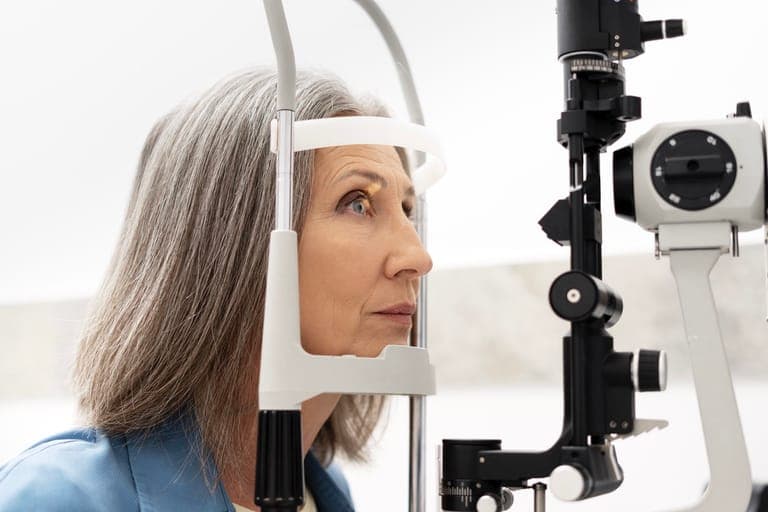
Dense Cataracts: Why Complex Cases Need Specialist Surgery
Dense, mature, or white cataracts present unique surgical challenges that demand specialist expertise. Understanding why these cases differ from routine cataract surgery helps you make informed decisions about your care.
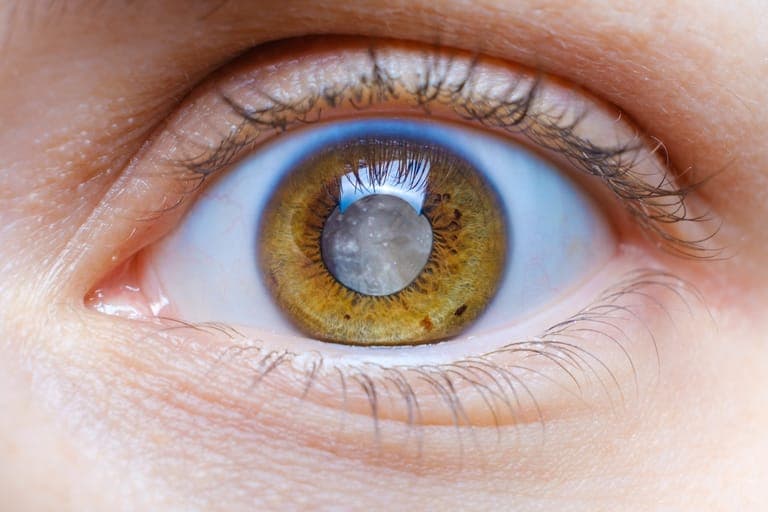
DSAEK Surgery: What It Is, Recovery, and Long-Term Results
DSAEK is a partial-thickness corneal transplant that replaces diseased endothelial cells while preserving most of your natural cornea. This guide covers the procedure, recovery timeline, and what results to expect.
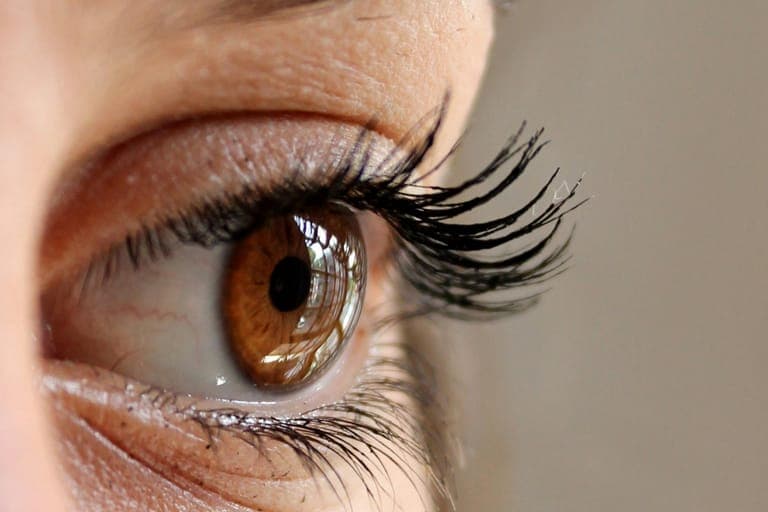
Understanding Astigmatism and Why It Matters for Cataract Surgery
Astigmatism affects nearly half of all cataract patients. Correcting it during surgery with a toric lens or limbal relaxing incision can mean the difference between dependence on glasses and sharp unaided distance vision.