Dense Cataracts: Why Complex Cases Need Specialist Surgery
Dense, mature, or white cataracts present unique surgical challenges that demand specialist expertise. Understanding why these cases differ from routine cataract surgery helps you make informed decisions about your care.
Considering treatment? Speak directly with Miss Menassa.
Most cataract surgery is straightforward and highly predictable — a 15-to-20-minute procedure with rapid visual recovery. But not all cataracts are equal. Dense cataracts, mature cataracts, and white cataracts present additional surgical challenges that elevate the technical demands of the operation significantly. Understanding what makes these cases complex helps explain why choosing an experienced consultant surgeon is particularly important when your cataract is more advanced than average.
What Makes a Cataract "Dense" or "Complex"?
Cataracts are graded by their density and type. A nuclear sclerotic cataract becomes progressively harder and darker as it matures — progressing from mild yellowing through amber to dark brown. At the extreme end, a "brunescent" cataract is rock-hard and nearly opaque. A mature or "white" cataract (also called a morgagnian cataract in advanced cases) occurs when the entire lens becomes opaque, sometimes with liquefied cortex surrounding a dense nucleus.
These advanced cataracts create specific surgical difficulties. The hardened nucleus requires significantly more ultrasound energy to break up during phacoemulsification, which increases stress on surrounding ocular structures — particularly the corneal endothelium, which can be damaged by excessive energy. The lens capsule may be weakened or the zonules (the fibres suspending the lens) may be fragile. In white cataracts, the absence of a visible red reflex makes it difficult to see the capsule during surgery, increasing the risk of capsule tear.
Why Specialist Expertise Matters
In routine cataract surgery, the technical demands are well within the capabilities of any trained ophthalmic surgeon. Dense cataracts, however, require advanced surgical techniques that are typically mastered through high-volume experience with complex cases. These include phaco chop techniques (breaking the hard nucleus into manageable fragments with mechanical force rather than relying solely on ultrasound), capsular staining with trypan blue dye to visualise the capsule in white cataracts, and modified fluidic parameters to manage the higher energy requirements safely.
Miss Menassa regularly manages complex cataract cases at St Paul's Eye Unit — one of the busiest specialist eye centres in the North West — where she leads on difficult surgical cases referred from across the region. This high-volume experience with challenging anatomy translates directly to the expertise and surgical confidence she brings to her private practice at Spire Liverpool.
What to Expect If You Have a Dense Cataract
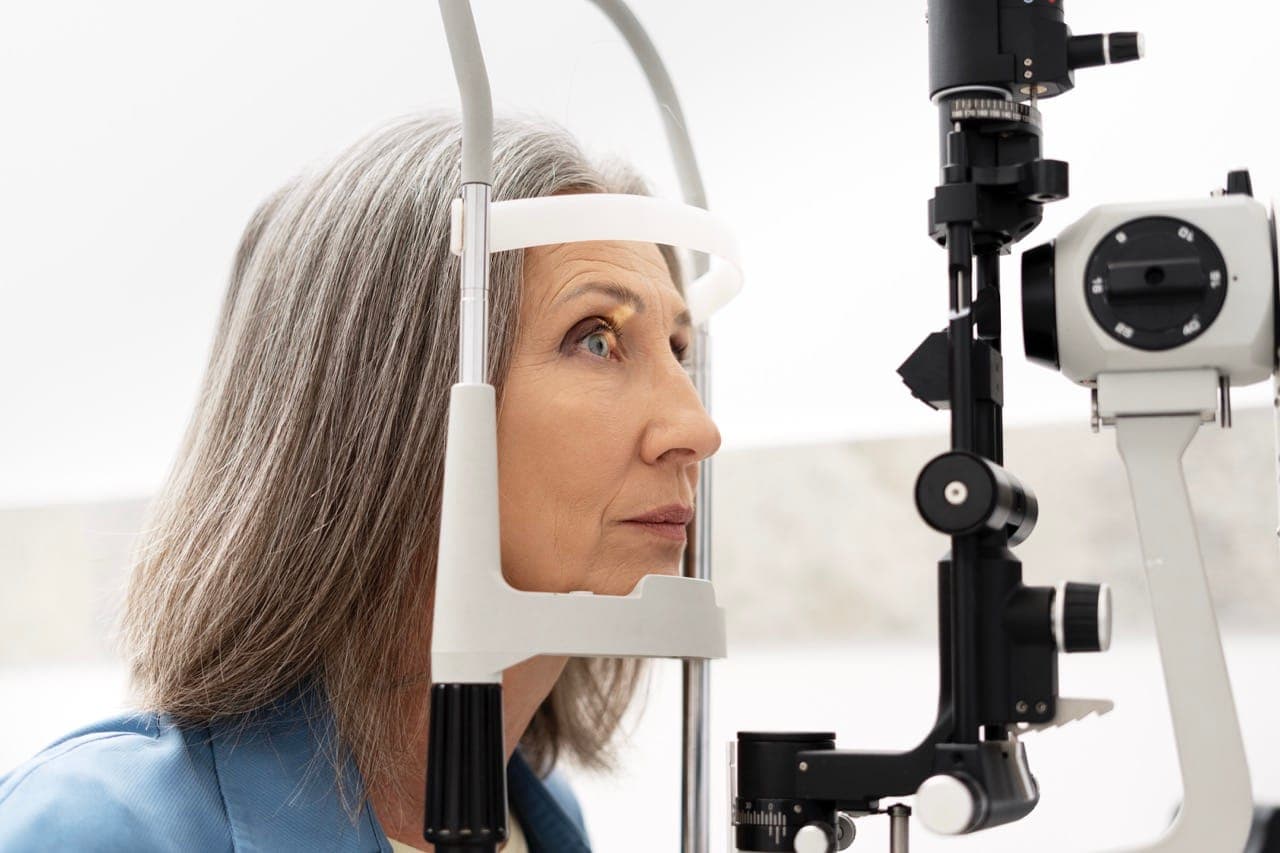
If you have been told your cataract is dense, mature, or complex, a consultation with a specialist is the first step. Miss Menassa will assess the density and type of your cataract using slit lamp examination and, if needed, anterior segment imaging. She will evaluate the health of your corneal endothelium (which can be vulnerable during surgery for very dense cataracts) and assess the strength of your zonules.
Based on this assessment, she will explain the specific surgical approach she plans to use, the additional risks compared to routine surgery, and the expected visual outcome. Dense cataracts often produce excellent results after surgery — the visual improvement can be dramatic precisely because the starting point was so poor — but the surgery itself requires more time, more skill, and more careful planning.
Do Not Wait Too Long
One important message: while there is no urgency to remove a mild cataract, allowing a cataract to become very dense or mature before seeking surgery makes the procedure more difficult and increases the risk of complications. If your optometrist has noted that your cataract is becoming dense, seeking a surgical opinion sooner rather than later gives your surgeon more options and typically leads to a smoother, safer procedure. Miss Menassa can assess your cataract at any stage and advise on the optimal timing for intervention.

Written by
Miss Menassa
Consultant Ophthalmologist & Cornea Specialist at Menassa Vision
Learn more about Miss MenassaHave Questions About This Topic?
Book a consultation with Miss Menassa to discuss your concerns and explore your options.
Understand your eyes, at your own pace
Occasional, plain-English guidance on cataract, corneal and lens conditions — written by Miss Menassa. No jargon, unsubscribe anytime.
Related Articles
Continue exploring our expert insights on eye health

DSAEK Surgery: What It Is, Recovery, and Long-Term Results
DSAEK is a partial-thickness corneal transplant that replaces diseased endothelial cells while preserving most of your natural cornea. This guide covers the procedure, recovery timeline, and what results to expect.

The Role of Biometry in Achieving Precise Cataract Surgery Outcomes
The success of cataract surgery depends heavily on measurements taken before you enter the operating theatre. Modern biometry uses laser interferometry and AI-enhanced formulae to calculate lens power with remarkable accuracy.

Understanding Astigmatism and Why It Matters for Cataract Surgery
Astigmatism affects nearly half of all cataract patients. Correcting it during surgery with a toric lens or limbal relaxing incision can mean the difference between dependence on glasses and sharp unaided distance vision.