Understanding Astigmatism and Why It Matters for Cataract Surgery
Astigmatism affects nearly half of all cataract patients. Correcting it during surgery with a toric lens or limbal relaxing incision can mean the difference between dependence on glasses and sharp unaided distance vision.
Considering treatment? Speak directly with Miss Menassa.
If you have worn glasses for distance vision throughout your life, there is a good chance that astigmatism is partly responsible. This common optical condition affects approximately 40% of the population to a degree that impacts visual clarity, and its presence has important implications when planning cataract surgery. Understanding astigmatism helps you appreciate why lens selection matters and what modern surgery can achieve.
What Astigmatism Actually Is
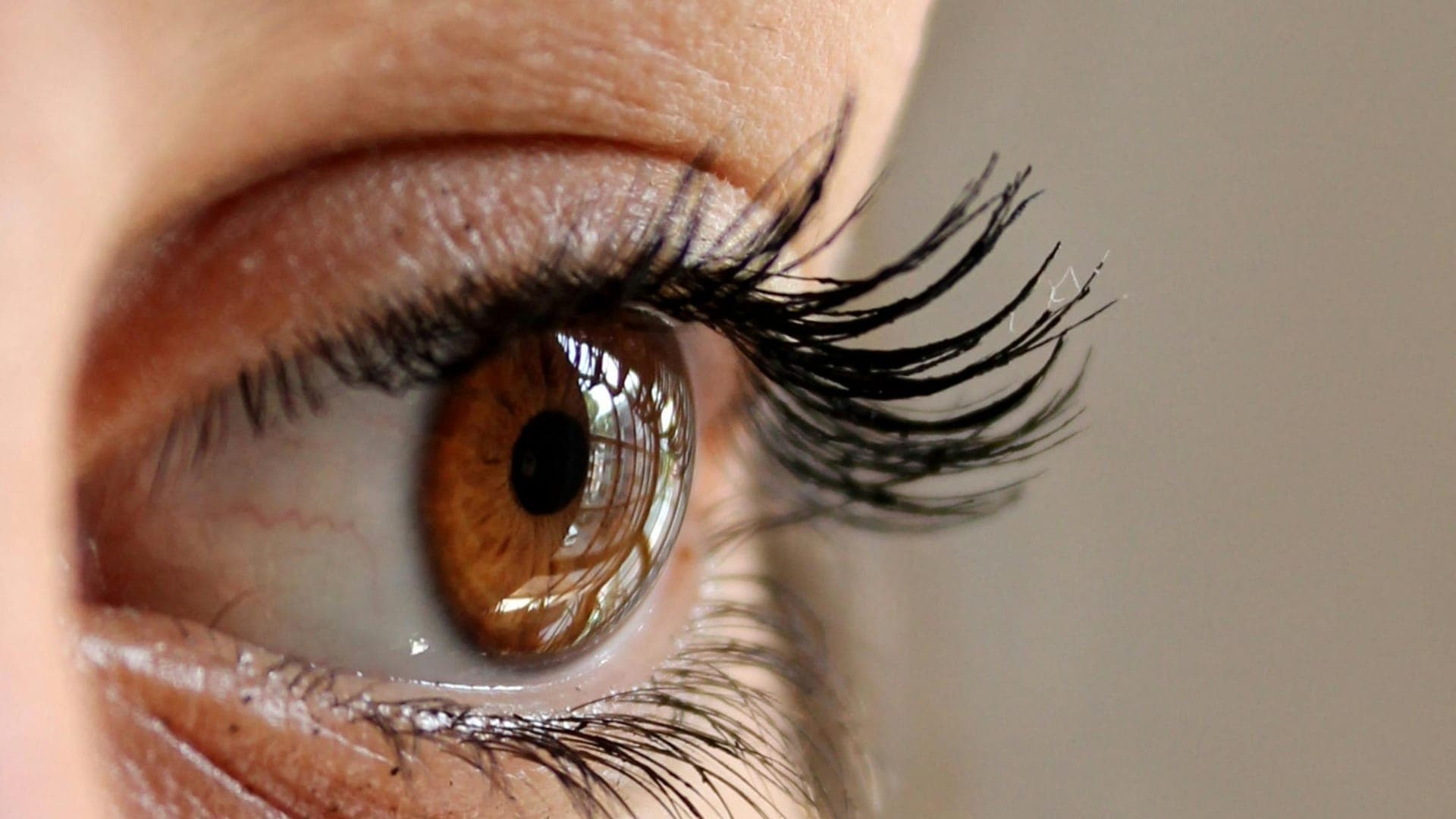
In a perfectly symmetrical eye, the cornea curves equally in all directions—like the surface of a football. Light entering the eye is focused to a single point on the retina, producing a sharp image. In an eye with astigmatism, the cornea curves more steeply along one meridian than the perpendicular one—imagine the shape of a rugby ball. Light is focused at two different points rather than one, resulting in blurred or distorted vision at all distances.
Astigmatism is measured in dioptres and described by its axis—the angle of the steepest meridian. A prescription might read "-1.50 at 90 degrees," meaning one and a half dioptres of astigmatism oriented vertically. Values above 0.75 dioptres typically cause noticeable visual blur without correction. Astigmatism can be with-the-rule (steeper vertically), against-the-rule (steeper horizontally), or oblique, and this classification affects surgical planning.
The Two Sources of Astigmatism
Total astigmatism comes from two sources: the cornea and the natural lens. Corneal astigmatism is usually the dominant component and is what persists after the natural lens is removed during cataract surgery. However, some patients have lenticular astigmatism—astigmatism originating from the natural lens itself. When the cataract (and the natural lens with it) is removed, this lenticular component disappears, which can change the total astigmatism the IOL needs to correct.
This is why preoperative assessment must measure both corneal topography (the shape of the cornea alone) and total refraction (the combined effect of cornea and lens). Failing to account for both sources can lead to over- or under-correction.
Why Standard Cataract Surgery Does Not Correct Astigmatism
During standard cataract surgery, the cloudy natural lens is replaced with a spherical artificial lens that provides a single focusing power in all meridians. If you had pre-existing corneal astigmatism, this remains entirely uncorrected after surgery. The result: excellent clarity along one meridian but persistent blur along the other, requiring glasses for sharp distance vision despite having a perfectly clear new intraocular lens.
For patients who undergo cataract surgery specifically hoping to see clearly without glasses, uncorrected astigmatism is the most common reason this expectation is not fully met. This is why accurate measurement and management of astigmatism is central to premium cataract surgery planning.
Methods of Correction During Cataract Surgery
Toric intraocular lenses are the most precise method of correcting astigmatism during cataract surgery. These lenses have different optical powers along perpendicular meridians, designed to exactly counteract your corneal astigmatism. They must be rotationally aligned to within three to five degrees of the intended axis—a precision that demands careful preoperative measurement and meticulous surgical technique. Digital marking systems and intraoperative aberrometry have made this alignment more accurate than ever.
Limbal relaxing incisions (LRIs) offer an alternative for lower levels of astigmatism. Small, precise incisions placed at the corneal periphery allow the steep meridian to flatten slightly, reducing astigmatism. LRIs are less precise than toric lenses for higher levels of astigmatism but can be effective and predictable for corrections up to approximately one dioptre.
The Importance of Accurate Measurement
Corneal topography and tomography map the corneal surface in exquisite detail, identifying both the amount and axis of astigmatism, as well as any irregularity that might affect results. These measurements must be taken when the ocular surface is healthy—dry eye disease and blepharitis can create irregular tear films that distort the readings and lead to inaccurate surgical planning.
Modern biometry devices measure the eye's dimensions with micron-level precision, feeding data into sophisticated lens calculation formulae and toric IOL planning software. Combined with intraoperative aberrometry—real-time measurement during surgery—this technology allows astigmatic correction with a degree of accuracy that was unimaginable a generation ago. Miss Menassa employs all of these tools to maximise the precision of every premium cataract procedure.

Written by
Miss Menassa
Consultant Ophthalmologist & Cornea Specialist at Menassa Vision
Learn more about Miss MenassaHave Questions About This Topic?
Book a consultation with Miss Menassa to discuss your concerns and explore your options.
Understand your eyes, at your own pace
Occasional, plain-English guidance on cataract, corneal and lens conditions — written by Miss Menassa. No jargon, unsubscribe anytime.
Related Articles
Continue exploring our expert insights on eye health
Dense Cataracts: Why Complex Cases Need Specialist Surgery
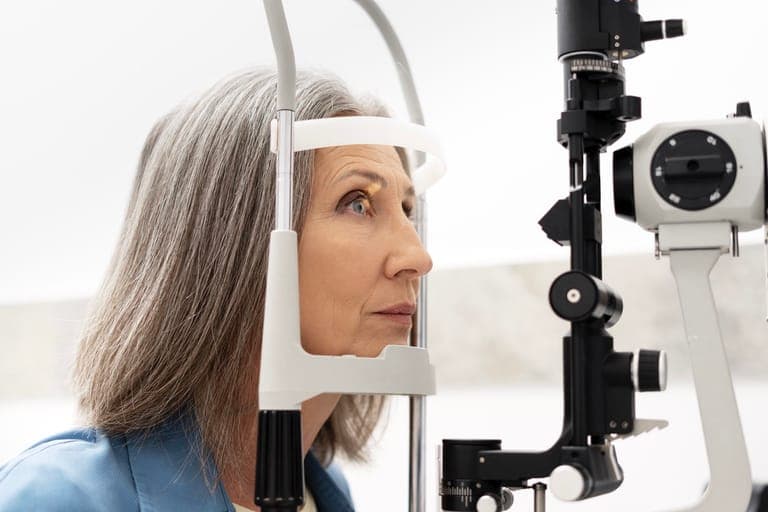
Dense, mature, or white cataracts present unique surgical challenges that demand specialist expertise. Understanding why these cases differ from routine cataract surgery helps you make informed decisions about your care.
DSAEK Surgery: What It Is, Recovery, and Long-Term Results
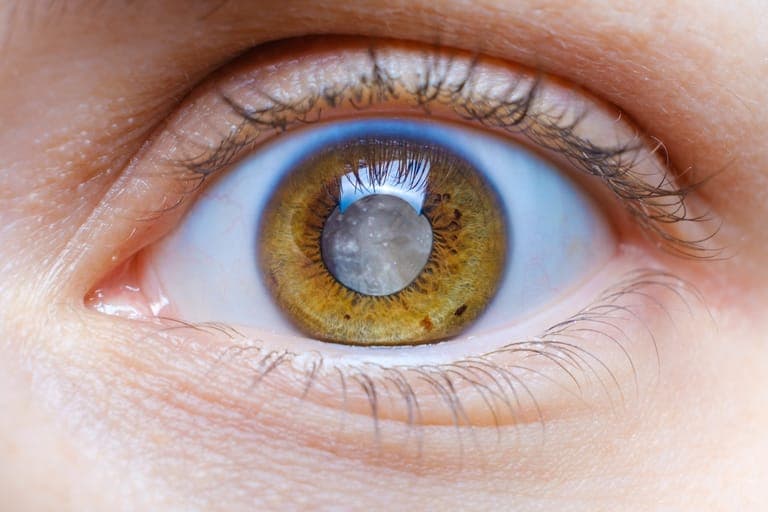
DSAEK is a partial-thickness corneal transplant that replaces diseased endothelial cells while preserving most of your natural cornea. This guide covers the procedure, recovery timeline, and what results to expect.

The Role of Biometry in Achieving Precise Cataract Surgery Outcomes
The success of cataract surgery depends heavily on measurements taken before you enter the operating theatre. Modern biometry uses laser interferometry and AI-enhanced formulae to calculate lens power with remarkable accuracy.