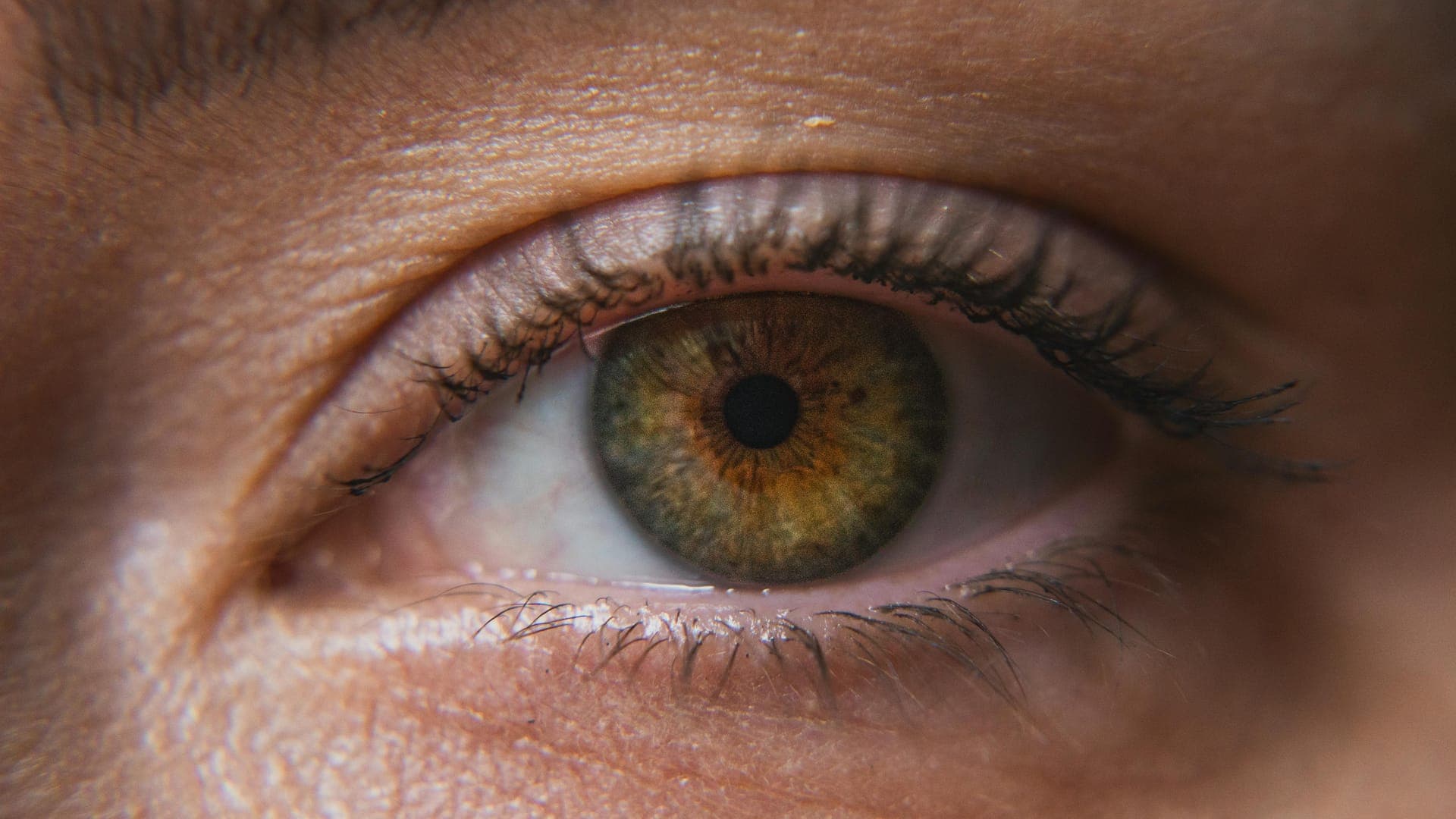
How PTK Laser Treats Corneal Scars and Surface Irregularities
Phototherapeutic keratectomy harnesses excimer laser precision to smooth corneal irregularities, remove superficial scars, and treat recurrent erosion syndrome—restoring comfort and clarity without a transplant.
Considering treatment? Speak directly with Miss Menassa.
Corneal scars, dystrophies, and surface irregularities can significantly impair vision and cause chronic discomfort. Traditionally, severe cases required corneal transplantation—major surgery with long recovery times and ongoing rejection risk. Phototherapeutic keratectomy (PTK) offers a less invasive alternative for conditions affecting the superficial corneal layers, using the same excimer laser technology employed in refractive surgery but for therapeutic rather than optical purposes.
What the Excimer Laser Does
The excimer laser produces ultraviolet light at 193 nanometres wavelength. At this specific wavelength, corneal tissue is ablated with extraordinary precision—each pulse removes approximately 0.25 microns of tissue with minimal thermal damage to surrounding structures. This allows the surgeon to selectively remove diseased or irregular tissue while preserving the healthy cornea beneath. The precision is remarkable: the laser can remove tissue layers thinner than a human hair with micron-level control.
Unlike refractive procedures such as LASIK or PRK, which reshape the cornea to correct focusing errors, PTK is performed to remove pathological tissue. The treatment depth and pattern are tailored to the specific condition being addressed rather than to a refractive target, though the surgeon must account for any refractive change the ablation may induce.
Recurrent Corneal Erosion Syndrome
Recurrent corneal erosion syndrome is one of the most common and rewarding indications for PTK. In this condition, the corneal epithelium repeatedly breaks down—typically during sleep—waking patients with sudden, severe eye pain, tearing, and light sensitivity. Episodes may occur weekly or monthly, creating anxiety around sleep itself. The underlying problem is poor adhesion between the epithelium and Bowman's layer.
PTK removes the loose epithelium and ablates the superficial Bowman's layer, creating a surface to which new epithelium can adhere more securely. The laser-treated surface promotes stronger epithelial attachment through the formation of new basement membrane adhesion complexes. Success rates exceed 90% for resolving recurrent erosions, and for patients who have suffered years of painful episodes, the relief can be life-changing.
Corneal Dystrophies
Superficial corneal dystrophies—such as epithelial basement membrane dystrophy, Reis-Bücklers dystrophy, and granular dystrophy—involve abnormal tissue deposits within the superficial corneal layers that scatter light and reduce visual clarity. PTK can remove these deposits precisely, restoring corneal transparency. While some dystrophies may recur over years as the genetic predisposition remains, retreatment with PTK is possible.
Corneal Scars
Corneal scars from previous infection, trauma, or surgery that are confined to the anterior stroma can also be treated with PTK. The laser removes the opaque scar tissue layer by layer, often improving both visual acuity and contrast sensitivity significantly. Deep scars that extend into the posterior stroma are not suitable for PTK and may require transplantation instead—accurate imaging of scar depth is essential for treatment planning.
The PTK Procedure
PTK is performed under topical anaesthesia (drops only) and takes approximately 10 to 15 minutes. The epithelium is removed to expose the treatment area, and the excimer laser is applied in a controlled fashion. A masking agent—typically methylcellulose—may be used to smooth irregularities by filling surface depressions so that the laser preferentially ablates the elevated areas. After treatment, a bandage contact lens is placed while the epithelium regenerates over three to five days.
Recovery and Outcomes
Discomfort is typical for the first two to three days as the epithelium heals, managed effectively with lubricant drops and oral pain relief. Vision is initially blurred but improves progressively over one to four weeks as the corneal surface stabilises. Steroid drops are used for several weeks to modulate healing and reduce the risk of corneal haze.
Miss Menassa assesses each patient's corneal condition with high-resolution anterior segment OCT and corneal topography to determine whether PTK can achieve meaningful improvement. When appropriate, it offers a targeted, low-risk intervention that can preserve natural corneal tissue, resolve years of chronic pain, and avoid the need for transplantation.

Written by
Miss Menassa
Consultant Ophthalmologist & Cornea Specialist at Menassa Vision
Learn more about Miss MenassaHave Questions About This Topic?
Book a consultation with Miss Menassa to discuss your concerns and explore your options.
Understand your eyes, at your own pace
Occasional, plain-English guidance on cataract, corneal and lens conditions — written by Miss Menassa. No jargon, unsubscribe anytime.
Related Articles
Continue exploring our expert insights on eye health
Dense Cataracts: Why Complex Cases Need Specialist Surgery
Dense, mature, or white cataracts present unique surgical challenges that demand specialist expertise. Understanding why these cases differ from routine cataract surgery helps you make informed decisions about your care.

DSAEK Surgery: What It Is, Recovery, and Long-Term Results
DSAEK is a partial-thickness corneal transplant that replaces diseased endothelial cells while preserving most of your natural cornea. This guide covers the procedure, recovery timeline, and what results to expect.

The Role of Biometry in Achieving Precise Cataract Surgery Outcomes
The success of cataract surgery depends heavily on measurements taken before you enter the operating theatre. Modern biometry uses laser interferometry and AI-enhanced formulae to calculate lens power with remarkable accuracy.