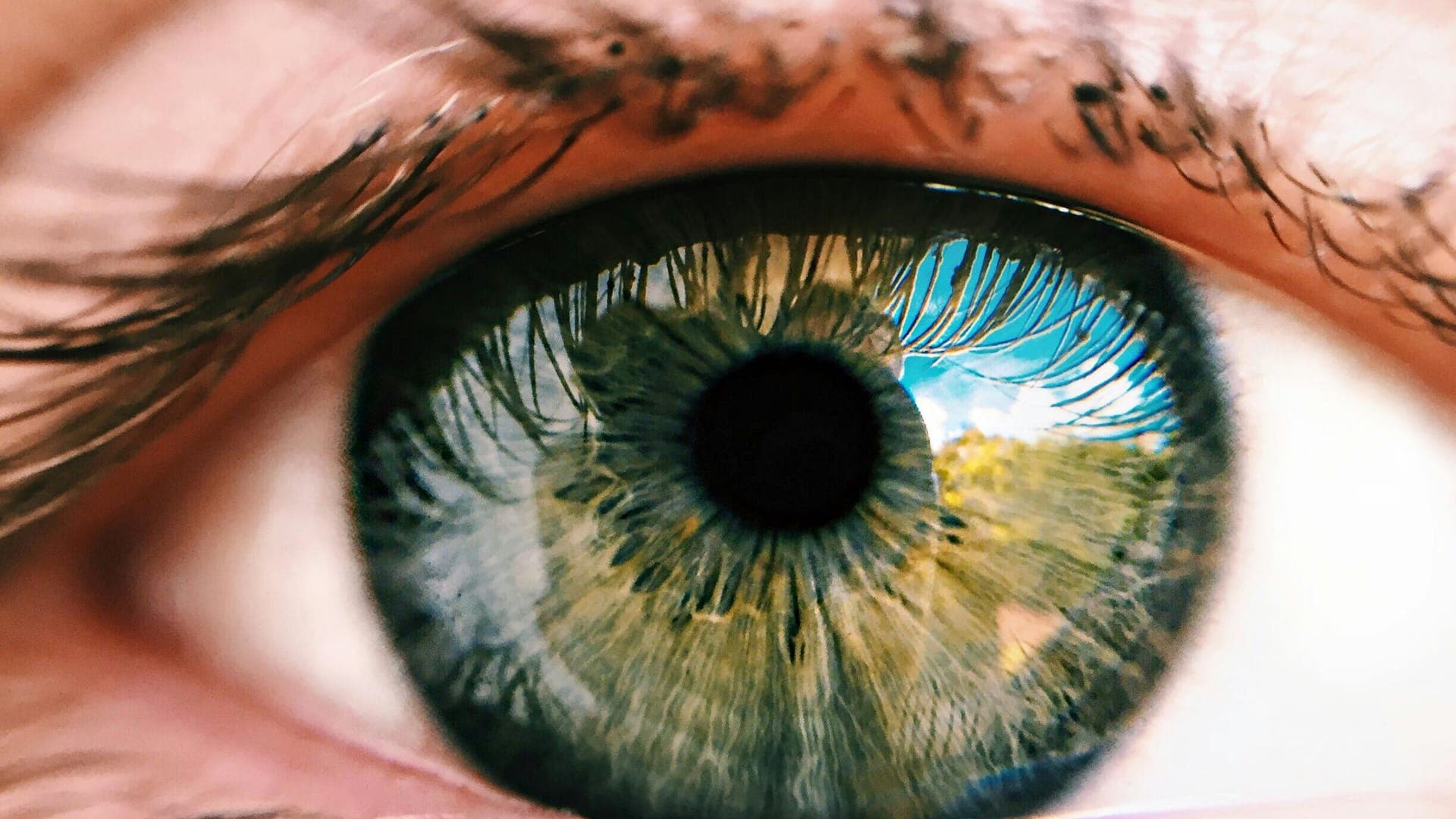
DSAEK vs DMEK: Comparing Modern Corneal Transplant Techniques
Both DSAEK and DMEK replace diseased endothelial cells, but their differences in tissue thickness, visual outcomes, and recovery timelines are clinically significant for patients with Fuchs' dystrophy.
Considering treatment? Speak directly with Miss Menassa.
When the cornea's innermost layer fails—as in Fuchs' endothelial dystrophy or bullous keratopathy—selective endothelial keratoplasty has replaced traditional full-thickness corneal transplantation as the standard of care. Two techniques dominate this field: DSAEK and DMEK. Both achieve the same goal of replacing diseased endothelial cells, but they differ in important ways that affect visual outcomes, recovery, and suitability for different patients.
DSAEK: The Established Technique
DSAEK (Descemet Stripping Automated Endothelial Keratoplasty) involves transplanting a disc of donor tissue comprising the endothelium, Descemet's membrane, and a thin layer of posterior stroma—typically 100 to 150 microns thick. The donor tissue is inserted through a small incision and positioned against the recipient's posterior cornea using an air bubble that holds the graft in place while it adheres naturally over the following hours and days.
DSAEK represented a major advance over penetrating keratoplasty, eliminating the need for full-thickness sutures, reducing rejection risk substantially, and accelerating recovery from years to months. Visual outcomes are good, with most patients achieving driving-standard acuity within three to six months. However, the residual donor stroma creates a subtle optical interface within the cornea that can limit best-corrected visual acuity—typically achieving 6/9 to 6/12 rather than 6/6.
The additional stromal tissue also means the donor graft is slightly thicker, which can cause a small hyperopic (long-sighted) shift that needs to be factored into IOL calculations if cataract surgery is performed simultaneously.
DMEK: The Refined Evolution
DMEK (Descemet Membrane Endothelial Keratoplasty) transplants only the endothelium and Descemet's membrane—a tissue layer just 10 to 15 microns thick, roughly one-tenth the thickness of a DSAEK graft. By eliminating the additional stromal layer, DMEK removes the optical interface that limits visual outcomes in DSAEK. The result is faster visual recovery and superior final acuity, with over 50% of DMEK patients achieving 6/6 vision—a rate significantly higher than DSAEK achieves.
DMEK also carries a lower rejection rate than DSAEK, likely because the transplanted tissue volume is substantially smaller, presenting less foreign material to the recipient's immune system. Published studies show rejection rates of approximately 1% for DMEK compared to 6-8% for DSAEK at five years. This has implications for long-term graft survival and the intensity of immunosuppressive drop therapy required.
The Trade-Off: Surgical Complexity
The thinner DMEK tissue is considerably more technically demanding to handle, prepare, and position. The graft scrolls naturally into a tight roll and must be carefully unfolded inside the eye—a step that requires significant surgical experience and dexterity. Re-bubbling rates (requiring an additional air injection to keep the graft attached) are higher with DMEK, occurring in roughly 15-30% of cases in published series, though this decreases significantly with surgeon experience.
DSAEK tissue is thicker, more robust, and more forgiving during surgery. It does not scroll and is easier to manipulate into position. This makes it a reliable option when anatomical factors make DMEK challenging—for example, in eyes with previous glaucoma surgery, anterior chamber intraocular lenses, aphakia, or complex anterior segment anatomy that complicates DMEK tissue handling.
Combined Surgery with Cataracts
Many patients with endothelial disease also have cataracts, and both DSAEK and DMEK can be combined with cataract surgery in a single procedure—known as a triple procedure. This avoids the need for two separate operations and allows the IOL power to be calculated accounting for the refractive effect of the transplant. Miss Menassa routinely performs combined procedures, selecting the transplant technique best suited to each patient's anatomy.
Which Technique Is Right for You?
For most patients with straightforward endothelial disease, DMEK offers the best visual outcome with the lowest rejection risk. It is the technique Miss Menassa performs most frequently, drawing on her fellowship training in Germany and Switzerland where DMEK was developed and refined. However, clinical judgment is essential—some eyes are better served by DSAEK, and a surgeon experienced in both techniques can make the right recommendation based on your individual anatomy, visual needs, and circumstances. The decision is always made collaboratively, with full explanation of the reasoning.
Written by
Miss Menassa
Consultant Ophthalmologist & Cornea Specialist at Menassa Vision
Learn more about Miss MenassaHave Questions About This Topic?
Book a consultation with Miss Menassa to discuss your concerns and explore your options.
Understand your eyes, at your own pace
Occasional, plain-English guidance on cataract, corneal and lens conditions — written by Miss Menassa. No jargon, unsubscribe anytime.
Related Articles
Continue exploring our expert insights on eye health
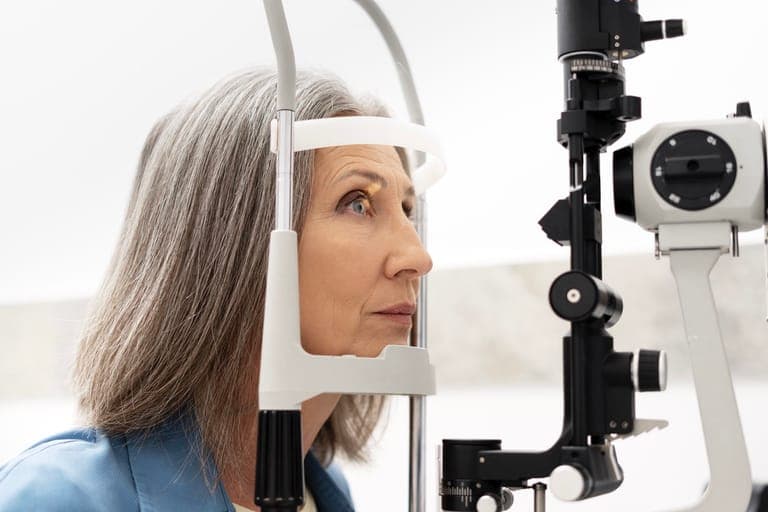
Dense Cataracts: Why Complex Cases Need Specialist Surgery
Dense, mature, or white cataracts present unique surgical challenges that demand specialist expertise. Understanding why these cases differ from routine cataract surgery helps you make informed decisions about your care.
DSAEK Surgery: What It Is, Recovery, and Long-Term Results
DSAEK is a partial-thickness corneal transplant that replaces diseased endothelial cells while preserving most of your natural cornea. This guide covers the procedure, recovery timeline, and what results to expect.

The Role of Biometry in Achieving Precise Cataract Surgery Outcomes
The success of cataract surgery depends heavily on measurements taken before you enter the operating theatre. Modern biometry uses laser interferometry and AI-enhanced formulae to calculate lens power with remarkable accuracy.