
Why Dry Eye Treatment is Critical Before Cataract Surgery
Considering treatment? Speak directly with Miss Menassa.
If you're considering cataract surgery, you may be surprised to learn that the health of your eye surface could be just as important as the surgical procedure itself. At Menassa Vision, we believe in a "clean the windscreen" approach—optimising your ocular surface before surgery to ensure the best possible visual outcome.
The cornea—the clear window at the front of your eye—provides approximately 70% of your eye's focusing power. When planning cataract surgery, we take precise measurements of your cornea to calculate the power of the artificial lens that will replace your cloudy cataract. These measurements are only accurate if your tear film is stable and your cornea is healthy.
Dry eye disease and related conditions like blepharitis can create an irregular tear film that fluctuates throughout the day. This means measurements taken on different occasions—or even at different times on the same day—may vary significantly. The result? A lens calculation that's based on unreliable data.
For patients choosing premium lenses such as multifocal or toric IOLs, accuracy is even more critical. These advanced lenses are designed to precise specifications; even small errors in calculation can lead to disappointing outcomes and residual dependence on glasses.
Miss Menassa's dual expertise in cornea and cataract surgery means she never overlooks the ocular surface. Every patient considering cataract surgery undergoes thorough assessment of their tear film, meibomian glands, and corneal surface. If problems are identified, she implements a treatment plan to optimise the eye before surgery.
This might include preservative-free lubricants, treatment for meibomian gland dysfunction, management of blepharitis, or anti-inflammatory medications. Only when the ocular surface is healthy and stable do we proceed to final measurements and surgery.
The "clean the windscreen" philosophy is what sets specialist care apart from high-volume cataract surgery. It takes more time and attention, but it's the difference between good vision and excellent vision.

Written by
Miss Menassa
Consultant Ophthalmologist & Cornea Specialist at Menassa Vision
Learn more about Miss MenassaHave Questions About This Topic?
Book a consultation with Miss Menassa to discuss your concerns and explore your options.
Understand your eyes, at your own pace
Occasional, plain-English guidance on cataract, corneal and lens conditions — written by Miss Menassa. No jargon, unsubscribe anytime.
Related Articles
Continue exploring our expert insights on eye health
Dense Cataracts: Why Complex Cases Need Specialist Surgery
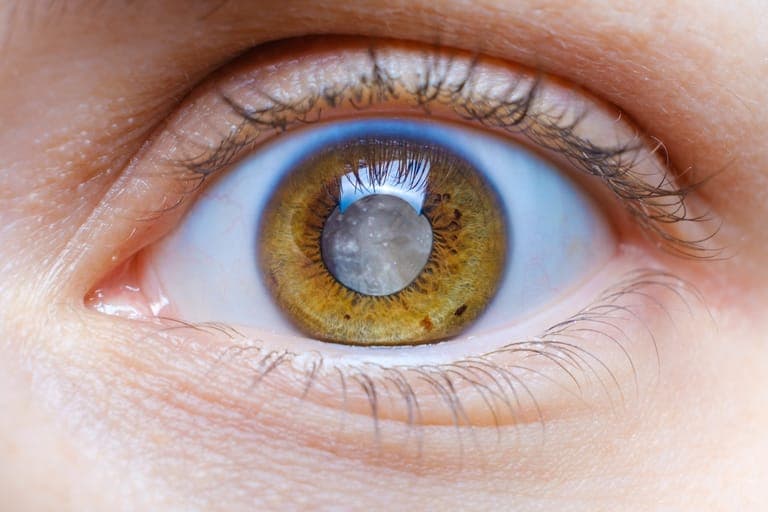
Dense, mature, or white cataracts present unique surgical challenges that demand specialist expertise. Understanding why these cases differ from routine cataract surgery helps you make informed decisions about your care.
DSAEK Surgery: What It Is, Recovery, and Long-Term Results
DSAEK is a partial-thickness corneal transplant that replaces diseased endothelial cells while preserving most of your natural cornea. This guide covers the procedure, recovery timeline, and what results to expect.

The Role of Biometry in Achieving Precise Cataract Surgery Outcomes
The success of cataract surgery depends heavily on measurements taken before you enter the operating theatre. Modern biometry uses laser interferometry and AI-enhanced formulae to calculate lens power with remarkable accuracy.