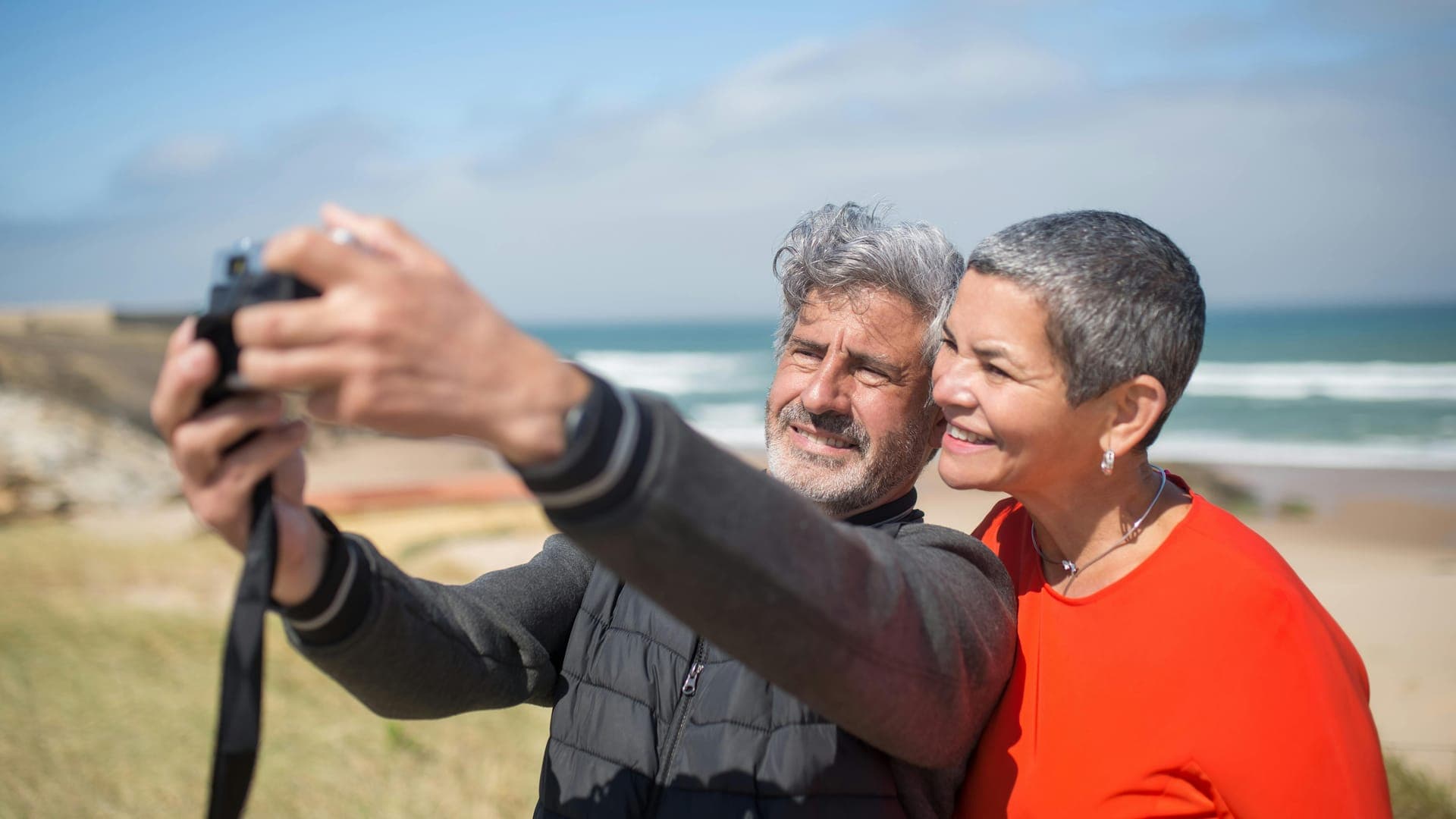
From Foggy Mornings to Clear Days: Life After Corneal Transplant
For years, Fuchs' dystrophy stole your mornings—hazy vision that took hours to clear. After DMEK surgery, waking up to sharp, clear sight from the first moment transforms not just your vision, but your entire day.
Considering treatment? Speak directly with Miss Menassa.
For anyone living with Fuchs' endothelial dystrophy, mornings become the enemy. You wake to a world that looks as though you are peering through frosted glass. You learn to delay reading the newspaper, avoid checking your phone, and wait—sometimes for hours—until your cornea clears enough to function. You plan your entire day around your vision rather than around your life. Slowly, without quite realising it, you shrink the boundaries of what you do, where you go, and when you do it.
The Turning Point
The decision to have DMEK surgery is often preceded by a personal tipping point—the morning the blur did not clear until lunchtime. The day you could not read the departures board at the railway station. The moment you realised you had quietly stopped driving altogether, handing the keys to your partner without discussing it. The evening you declined an invitation because you knew your vision would not be clear enough to enjoy it. For most patients, the tipping point arrives not with a single dramatic event but with a quiet, cumulative accumulation of lost independence.
DMEK surgery replaces only the thin, failing endothelial layer of the cornea—a tissue just 10 to 15 microns thick, thinner than a human hair. The healthy 95% of your cornea is left entirely untouched. The procedure takes less than an hour under local anaesthesia, and the days that follow require patience as an air bubble inside the eye holds the new tissue in place against the cornea. Recovery is not instantaneous, and there are days during the first two weeks when vision fluctuates and you may wonder whether it has truly worked.
Then the Mornings Change
The improvement does not arrive all at once—it comes in stages, each one a small revelation. You wake one morning and the blur is noticeably less dense than the day before. A few days later, you can read the alarm clock from the pillow. Within weeks, you open your eyes and the room is simply, clearly, beautifully in focus. No waiting. No rubbing your eyes. No hot flannel held against your face. No delay. The morning fog that had defined and constrained your life has gone.
Patients describe this moment with a consistency and emotion that is striking even for clinicians who hear it regularly. "I woke up and I could see. I just lay there looking at the ceiling, and it was clear." "I cried—I had genuinely forgotten what mornings used to feel like." "I read the time on my phone without thinking about it, and then I realised what I had just done." The resolution of morning blur is the single most commonly cited life improvement after DMEK surgery, and for many patients it is the most emotional.
What Returns
With clear mornings comes the quiet return of everything that unclear mornings had steadily taken away. Early morning walks in the park before the day warms up. Driving to an appointment first thing without waiting for your eyes to clear. Reading the news with a cup of tea while the house is still quiet. Leaving the house at any hour, for any reason, without first calculating whether your vision will be adequate. The spontaneity and freedom that Fuchs' dystrophy had steadily eroded is restored—and with it, a sense of normality you may have stopped believing was possible.
Many patients also describe improvements they had not anticipated before surgery. Colours appear brighter and more vivid as the waterlogged cornea clears. Contrast is sharper—you can see details in dim light that had been invisible before. The general sense of visual effort and eye strain that had become their normal baseline quietly disappears. They had adapted so thoroughly to gradually declining vision that they had forgotten what effortless, comfortable seeing actually felt like.
Looking Forward
DMEK grafts have excellent longevity, with published survival rates exceeding 95% at five years and over 90% at ten years. The clear mornings patients regain typically last for many years—and ongoing steroid drops and annual check-ups ensure the transplant remains healthy and any emerging issues are caught early. The endothelial cells transplanted during DMEK do gradually decrease in number over time (as all endothelial cells do), but for the vast majority of patients, the graft continues to function well for decades.
Most patients say, with the benefit of hindsight, that they wish they had not waited as long as they did before seeking surgery. The procedure they had dreaded turned out to be far less daunting than the condition they had been quietly enduring. If your mornings are defined by blur, and if you find yourself planning your life around your vision rather than your wishes, a conversation about DMEK may be the most important appointment you make.
Written by
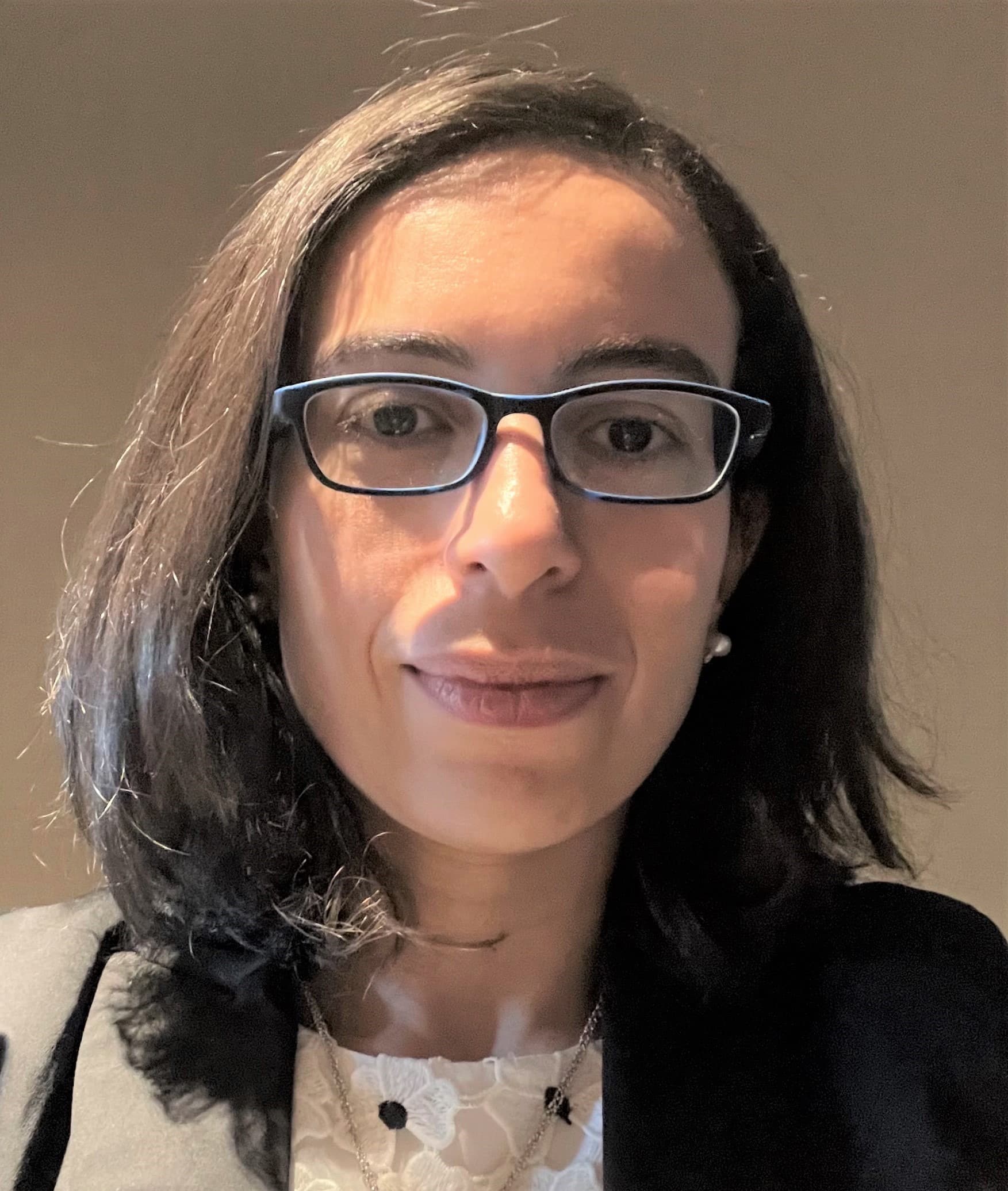
Miss Menassa
Consultant Ophthalmologist & Cornea Specialist at Menassa Vision
Learn more about Miss MenassaHave Questions About This Topic?
Book a consultation with Miss Menassa to discuss your concerns and explore your options.
Understand your eyes, at your own pace
Occasional, plain-English guidance on cataract, corneal and lens conditions — written by Miss Menassa. No jargon, unsubscribe anytime.
Related Articles
Continue exploring our expert insights on eye health

Walking with Confidence: How Better Vision Prevents Falls
Falls are the leading cause of injury in older adults, and poor vision is one of the most significant modifiable risk factors. Restoring clear sight through surgery can literally help you walk with confidence again.
Returning to Your Hobbies: Creative Pursuits After Eye Surgery
When vision declines, hobbies are often the first things quietly abandoned. Eye surgery can reignite the creative pursuits and pastimes that bring meaning and pleasure to your daily life.

The Joy of Grandparenting with Clear Vision
Grandparenting is built on small, precious moments—reading stories, watching school plays, exploring rockpools. When declining vision blurs these experiences, surgery can bring them back into sharp, joyful focus.