
The Joy of Grandparenting with Clear Vision
Grandparenting is built on small, precious moments—reading stories, watching school plays, exploring rockpools. When declining vision blurs these experiences, surgery can bring them back into sharp, joyful focus.
Considering treatment? Speak directly with Miss Menassa.
Grandparenting is one of life's great gifts—the chance to be present for moments of wonder, discovery, and connection without the relentless pressures and exhaustion of hands-on parenthood. But these moments are intensely, fundamentally visual. You want to see the expression on a child's face when they unwrap a present. You want to read a bedtime story without struggling with the words or losing your place. You want to watch a nativity play from the back of the school hall and actually recognise your grandchild among the angels. When cataracts or corneal disease blur these irreplaceable experiences, something precious and unrecoverable is lost.
The Moments That Matter
Patients describe their motivations for seeking eye surgery with remarkable consistency and emotional clarity. "I want to see my granddaughter's face when she talks to me—properly see it, not just a blur." "I cannot read to them anymore—my eyes are too tired after half a page." "They run ahead on walks and I cannot see where they have gone—I spend the whole time anxious instead of enjoying it." "I missed seeing her in the school play because I could not make out the stage clearly from where I was sitting."
These are not clinical complaints about visual acuity measured in lines on a chart. They are descriptions of human connection being quietly eroded by declining sight. What makes these losses particularly poignant is their irreplaceability. A first nativity play happens once. A toddler's wonder at the seaside lasts only a single, fleeting season. The window for bedtime stories—when they still want you to read to them—closes sooner than anyone expects. Poor vision during these years means missing moments that cannot be replayed or recovered.
What Surgery Restores
After cataract surgery, grandparents consistently describe a transformation in their engagement with grandchildren that goes far beyond clearer eyesight. Reading becomes effortless again—picture books, chapter books, homework help, all without the struggle and fatigue that had made these activities exhausting rather than joyful. Outdoor activities feel safe and enjoyable—walking on uneven ground, supervising energetic play in the park, exploring rockpools at the beach without constant anxiety about tripping or falling.
Driving to visit or collect grandchildren returns to routine rather than ordeal—you can drive at any time, including in the evening, without planning around your visual limitations. The visual improvements ripple outward into every interaction. You photograph your grandchildren and can actually see the result clearly on your phone screen. You video-call and see their faces in detail. You attend school events and follow every moment of the performance. You bake together and read the recipe without reaching for glasses. You play board games and can see the pieces.
The Broader Impact
Each of these restored activities is individually a small thing. But together they rebuild something much larger: the experience of being fully present, fully capable, and fully yourself in your grandchildren's lives. Research consistently shows that meaningful intergenerational relationships benefit both grandparents and grandchildren—emotionally, cognitively, and in terms of wellbeing. When poor vision restricts these interactions, the impact extends beyond the grandparent to the whole family.
A Gift to Yourself and Your Family
Many grandparents we see have delayed seeking help for their declining vision because they feel their needs are less important than those of their family. They put up with deteriorating eyesight because they do not want to be a burden, take time for themselves, or make a fuss. If this resonates with you, consider reframing: the grandparent who can see clearly is the grandparent who can be fully present, fully engaged, and fully available for the people who love them. Investing in your vision is not self-indulgence—it is a gift to yourself and to your family.
Miss Menassa understands that the decision to have eye surgery is about far more than clinical measurements and visual acuity charts. It is about the life you want to live, the relationships you want to nurture, and the moments you want to be fully part of. If your vision is holding you back from the grandparenting you imagined for yourself, a conversation about your options is a genuinely worthwhile place to start.

Written by
Miss Menassa
Consultant Ophthalmologist & Cornea Specialist at Menassa Vision
Learn more about Miss MenassaHave Questions About This Topic?
Book a consultation with Miss Menassa to discuss your concerns and explore your options.
Understand your eyes, at your own pace
Occasional, plain-English guidance on cataract, corneal and lens conditions — written by Miss Menassa. No jargon, unsubscribe anytime.
Related Articles
Continue exploring our expert insights on eye health
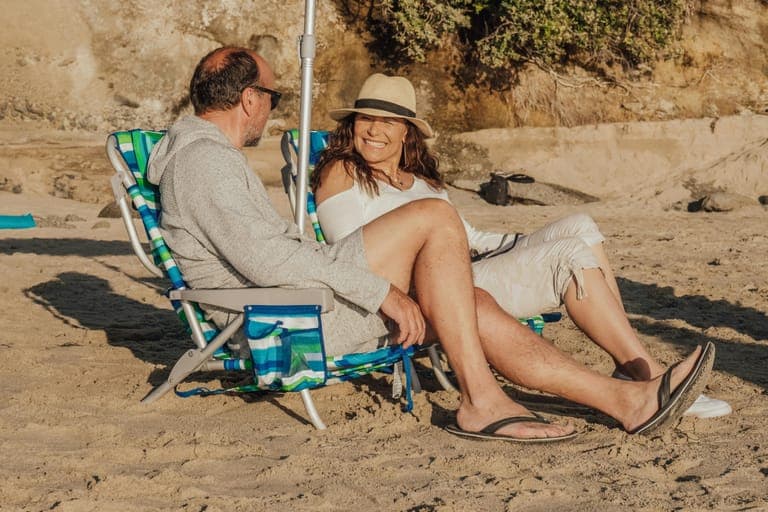
Walking with Confidence: How Better Vision Prevents Falls
Falls are the leading cause of injury in older adults, and poor vision is one of the most significant modifiable risk factors. Restoring clear sight through surgery can literally help you walk with confidence again.
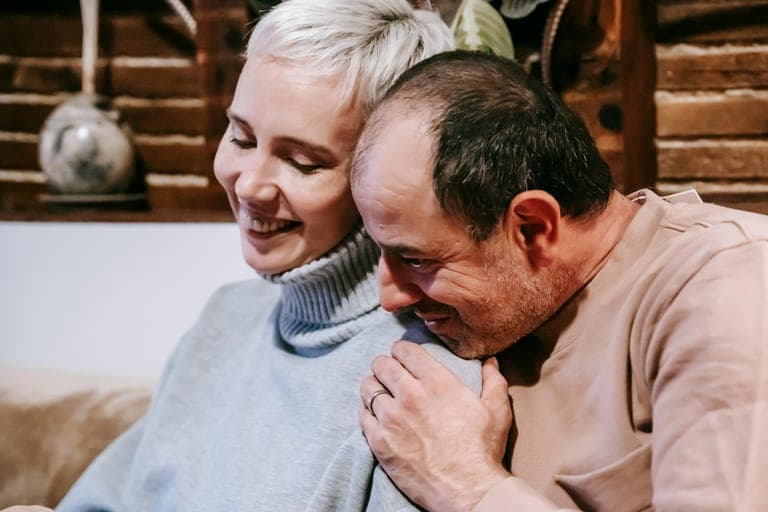
Returning to Your Hobbies: Creative Pursuits After Eye Surgery
When vision declines, hobbies are often the first things quietly abandoned. Eye surgery can reignite the creative pursuits and pastimes that bring meaning and pleasure to your daily life.

Confidence at Work: How Clearer Vision Transforms Professional Life
Declining vision does not just blur your eyesight—it erodes professional confidence. Patients who undergo eye surgery frequently describe a transformation in how they work, present, and engage with colleagues.